
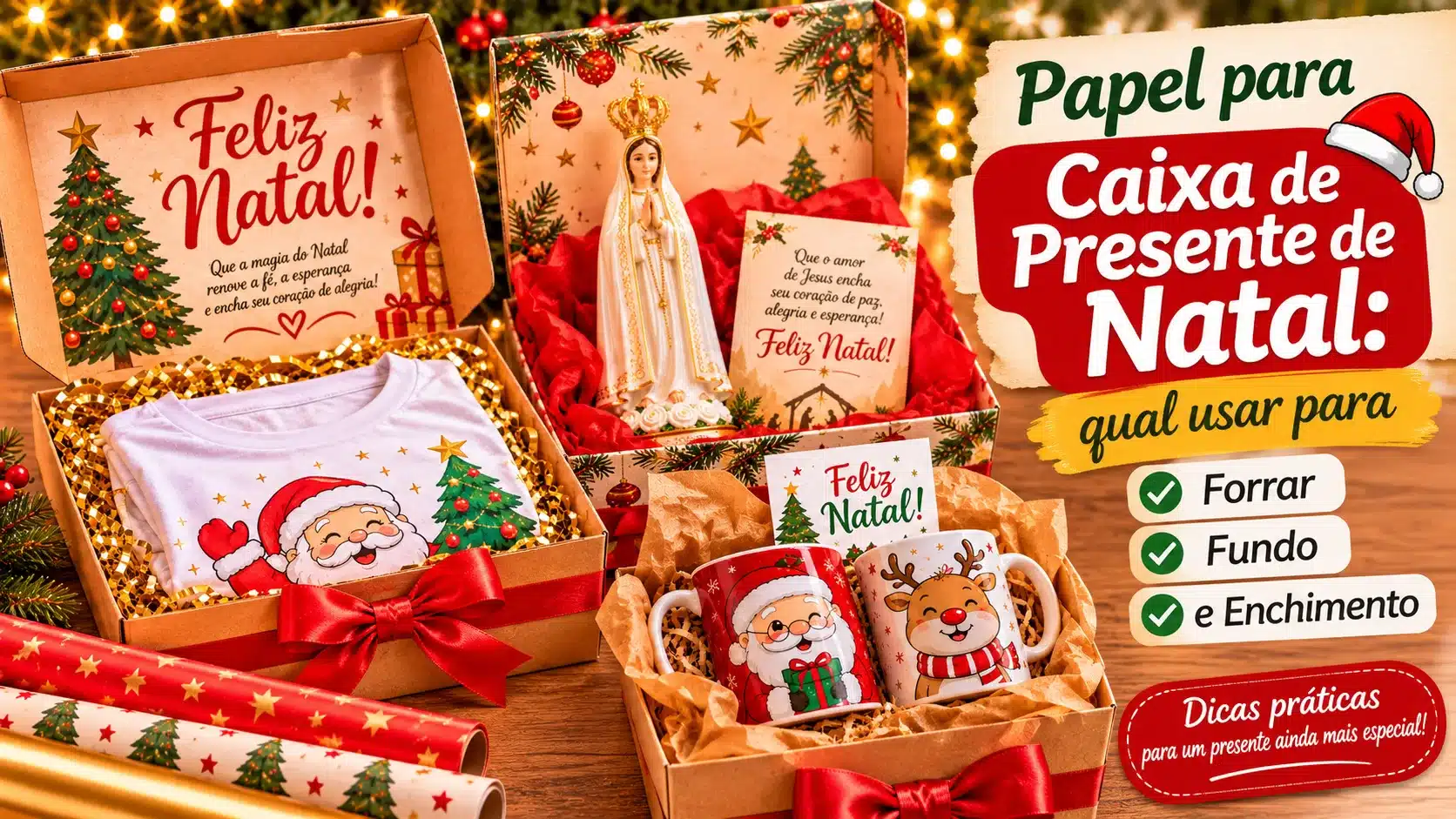
Christmas gift box wrapping paper: which type to use for the exterior, bottom, and filler
The good news is that you don't need expensive gift-wrapping paper. With three or four types of paper that are easy to find at any stationery store, you can make boxes that look like they came from a store. In this guide, you’ll learn which paper to use for each part of the box, the ideal weight, and the combinations that best capture the Christmas spirit.
What kind of wrapping paper should be used for each part of the gift box?
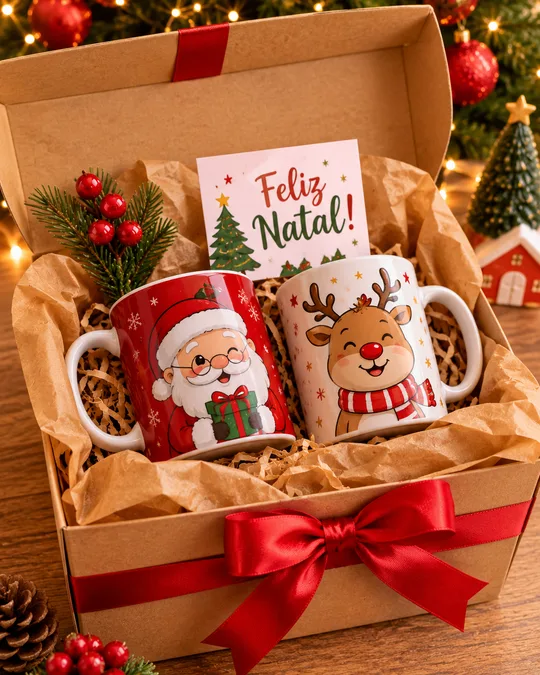
If you only have a minute, this table summarizes the entire guide:
| Part of the box | Recommended paper | Approximate weight | Why It Works |
|---|---|---|---|
| Outer lining | Kraft paper, wrapping paper, scrapbook paper, or contact paper | 80 to 180 g/m² | It covers well, folds without tearing, and can be stamped and labeled with tape |
| Internal fund | Tissue paper or suede-textured paper | 18 to 20 g/m² (silk) | It makes the bottom soft and hides the cardboard |
| Wrap the gift | Tissue paper | 18 to 20 g/m² | It's the thin paper that you put inside the box to wrap the item |
| Filling | Paper straw (shredded tissue paper or kraft paper) | Fine wires | Protects the gift and adds volume |
| Box made from scratch | Color Plus, coated, or offset paper | 180 to 240 g/m² | It holds its shape after being folded and can be printed on |
| Tag and little card | Color Plus, heavy-weight kraft paper, or pearlescent paper | 180 to 250 g/m² | Stand up and finish it up |
Paper for wrapping gift boxes
For covering the outside, the best paper is the kind that folds neatly at the corners without tearing and doesn't let the cardboard show through. These are the most commonly used options:
- Kraft paper: The star of rustic Christmas decor. It pairs well with twine, a pine branch, and checkered ribbon. Choose a weight between 80 and 120 g/m² for lining, because thicker fabric shows too much creasing.
- Patterned gift wrap: the most practical. Choose the ones with thicker paper, which won't look see-through when used on dark boxes.
- Scrapbook paper: It features beautiful Christmas patterns and is made of heavier-weight paper. Great for small boxes and lids.
- Contact paper or adhesive tape: It sticks on its own and leaves a smooth finish. Great for repurposing shoe boxes or product boxes.
- Suede paper: It has a velvety texture and bold colors like red and green. It looks great on lids.
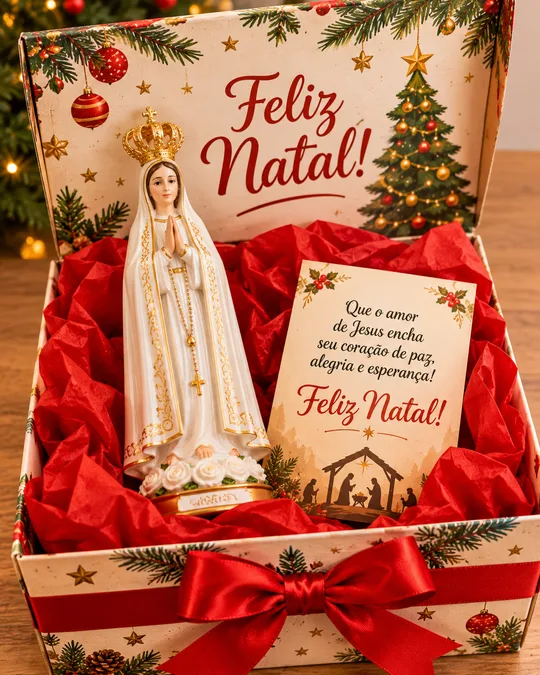
How to apply wallpaper without bubbles
- Measure the box and cut the paper so that it's 2 cm longer on each side to fold it inward.
- Apply white glue or a glue stick to the entire surface, not just the edges.
- Fold the paper from the center toward the edges, smoothing it out with a piece of cardboard or a ruler.
- Fold the corners like you would when wrapping a gift: fold the excess paper into a triangle before gluing it down.
- Line the lid, which is separate from the base, leaving a little space so it can close.
For more detailed information on the weight of each type of paper, see also our guide to Types of Paper for Party Favors.
What is the name of the paper that goes inside a gift box?
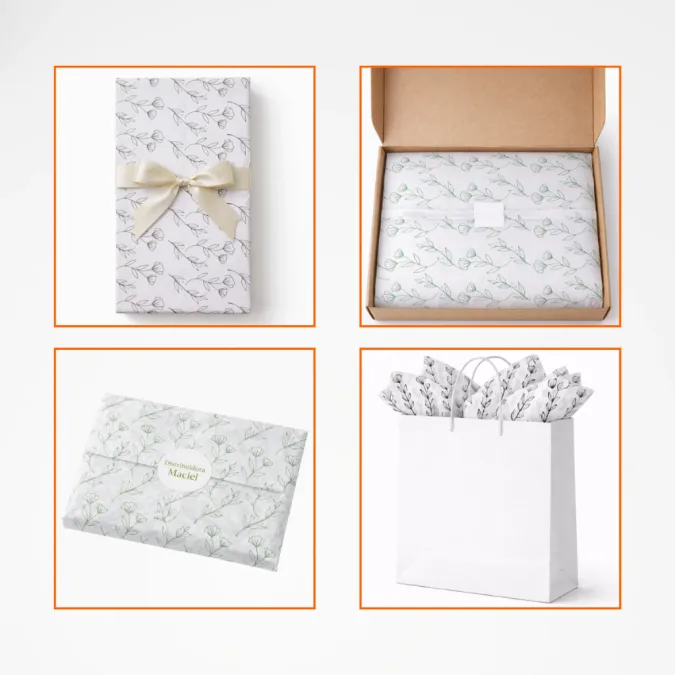
The thin paper that is placed inside the box, wrapping around the gift, is called tissue paper. It's lightweight (about 18 to 20 g/m²), slightly translucent, and makes that pleasant little sound when you open the box.
Paper for the bottom of a gift box
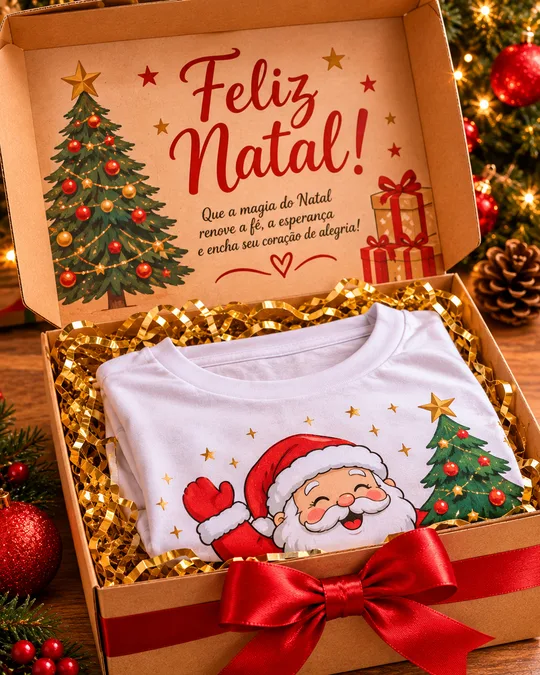
As for the background, you have three options:
- Crumpled tissue paper: Place two or three lightly crumpled sheets on the bottom. It makes it fluffy and hides the cardboard.
- Suede-textured paper or cut-out felt: Cut the backing to the exact size and glue it in place. It creates a sturdy and elegant finish, perfect for jewelry and cosmetics.
- Kraft paper with a Christmas design: For those who want to maintain a rustic style on the inside, too.
How to Use Tissue Paper the Right Way
- Place two sheets of paper crossed over each other at the bottom of the box, leaving the ends sticking out.
- Place the gift in the center.
- Fold the ends over, one at a time, as if you were sealing an envelope.
- Finish it off with a sticker, a stamp, or a sprig of rosemary.
At Christmas, the colors that work best are red, green, gold, and white. Two sheets of different colors together—such as red and white—create a very beautiful effect.
Filler: the paper straw that adds volume
When the gift is small and the box is big, the secret is what you put inside. The most common filling is paper straw, also known as shredded paper or paper strips. It protects fragile items and makes the box look full and attractive.
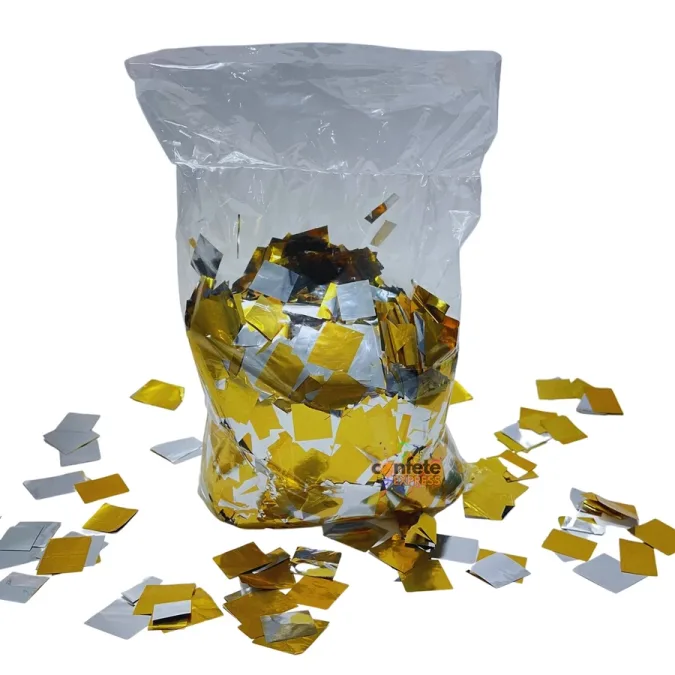
- Tissue paper strips: soft and colorful. Gold and red are Christmas classics.
- Kraft paper straw: It has a sturdier feel and goes well with baskets and rustic sets.
- Shredded crepe paper: an inexpensive alternative you can make at home.
How to Make Paper Straws at Home
- Stack a few sheets of tissue paper or thin kraft paper.
- Roll the leaves into a tube.
- Use scissors to cut thin slices, 3 to 5 mm thick.
- Unroll it and loosen the strands with your hands.
If you have a paper shredder, it can do the same job in seconds. For food kits, such as panettone or cookies, place the food in its own packaging before wrapping it in straw.
Paper for making a Christmas box
If you plan to make the box from scratch using a printed template, the paper needs to be sturdy. Paper that’s too thin will crumple and won’t hold its fold; paper that’s too thick will tear along the crease.
| Paper | Weight | Best for |
|---|---|---|
| Color Plus | 180 g/m² | Colorful boxes, without having to print a background |
| Matte or glossy coated paper | 180 to 250 g/m² | Boxes with printed designs and vibrant colors |
| Offset | 180 to 240 g/m² | General-purpose; works well with home printer ink |
| Kraft | 180 to 240 g/m² | Rustic boxes, perfect for stamping |
| Pearlescent or metallic paper | 180 to 250 g/m² | Gold and silver details, caps, and tags |
Where to find it
Tissue Paper
Tips for Making the Box Perfect
- Score the fold before folding, using a ruler and the tip of an empty pen or a creasing tool.
- For inkjet printers, wait until the print is completely dry before cutting.
- For boxes that will hold heavy items, such as chocolates, use 240 g/m² or more.
- Check out the exact measurements for each model in our article on Dimensions of Custom Stationery Templates.
Want ready-made templates? Check out ours printable boxes and adjust the colors for Christmas.
4 paper combinations that have a Christmas feel
- Paperback: A box lined with kraft paper, with a white tissue paper bottom, kraft straw, and string with a small sprig of pine.
- Classic: Red wrapping paper on the outside, green tissue paper on the inside, and a gold satin ribbon.
- Elegant: dark green suede-like paper on the cover, gold straw, and a tag made of pearlescent paper.
- Delicate: a white box, light pink and gold tissue paper, with a star sticker sealing the package.
To round out the gift, a acrylic Christmas ornament A personalized tag hanging from the ribbon looks beautiful. And if you're still deciding what to put in the box, check out our Christmas gift ideas and the ideas of Christmas party favors.
Frequently asked questions
What's the best paper to use for wrapping a gift box?
Kraft paper and thick wrapping paper are the easiest to work with. They fold neatly at the corners and cover the cardboard without showing through. For a smooth, quick finish, contact paper also works well.
What kind of paper should I put at the bottom of the gift box?
Crumpled tissue paper makes the background soft and pretty. For a sturdier finish, glue a piece of suede-like paper or felt that’s exactly the same size as the background.
What is the name of the paper that goes inside a gift box?
It is tissue paper, a very thin paper weighing about 18 to 20 g/m². The fibrous filling is called paper straw or shredded paper.
What kind of paper should I use to make a gift box?
To assemble the box from scratch, use paper weighing 180 to 240 g/m², such as Color Plus, coated, offset, or kraft. If the paper is lighter than that, the box will be flimsy; if it’s heavier, the paper may crack along the fold.
What kind of paper should I use for a homemade printed Christmas box?
Matte coated paper weighing 180 to 250 g/m² or 180 g/m² offset paper works well with home printer ink. If the box is solid-colored with no print, 180 g/m² Color Plus paper does not require printing.
Conclusion
A beautiful Christmas gift box comes down to three simple choices: sturdy wrapping paper on the outside, tissue paper on the inside, and filler to add volume. With kraft paper, tissue paper, and paper straw, you’ve got almost everything covered—and the rest is all about paying attention to the details: the ribbon, the name tag, and the sprig of pine.
Choose the combination that best suits the recipient and take your time putting the boxes together before the December rush. Merry Christmas and happy gift-giving!
Author



 Portuguese
 English
 Spanish